
I have enjoyed just hanging out at the mouth of the Chetco river, this is the end of a 56 mile stream. So when low tide is happening and we have finished our errands for the day I see what the river has to offer. Friday the 30th of August I knew that this was probably going to be my last day to hang out before we head out. So we decided to hang by the mouth of the river.

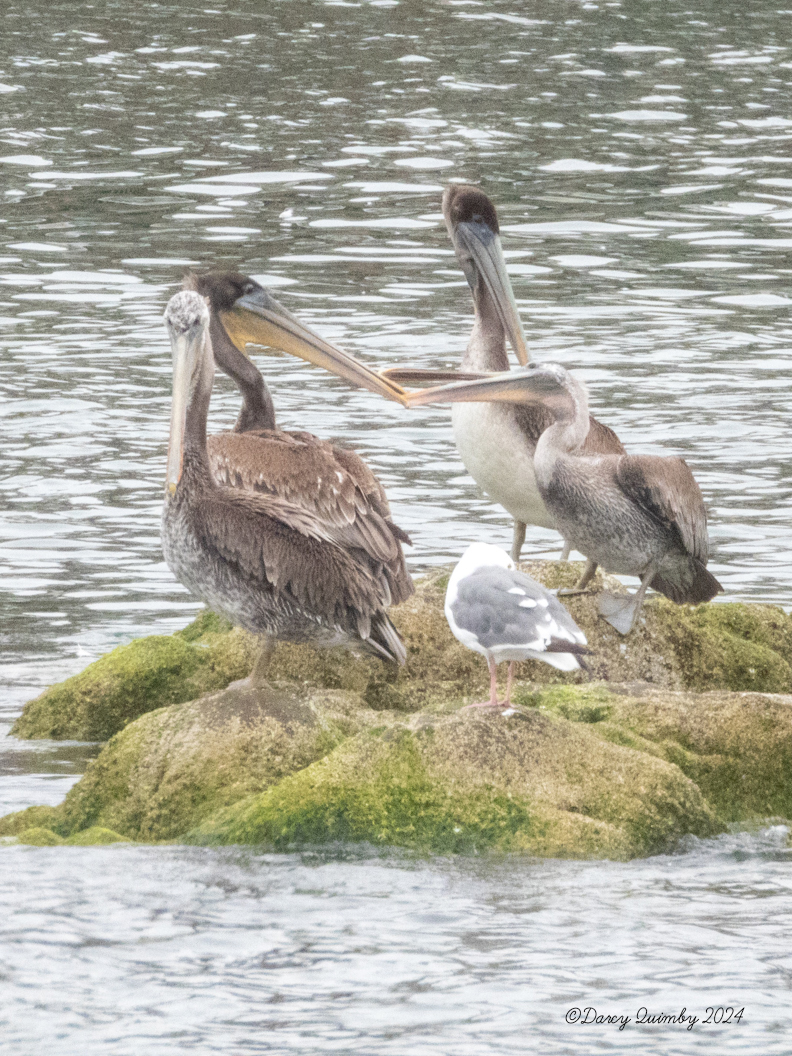
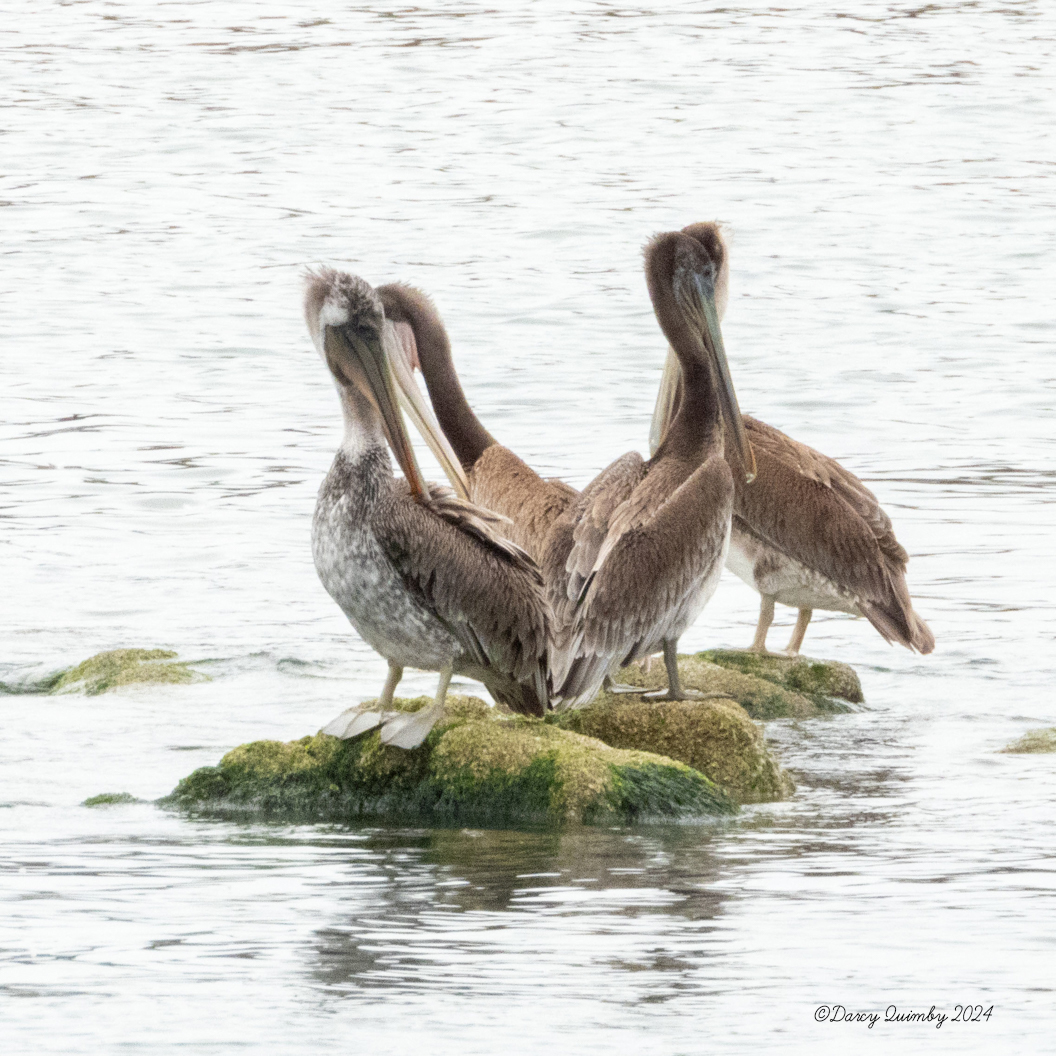
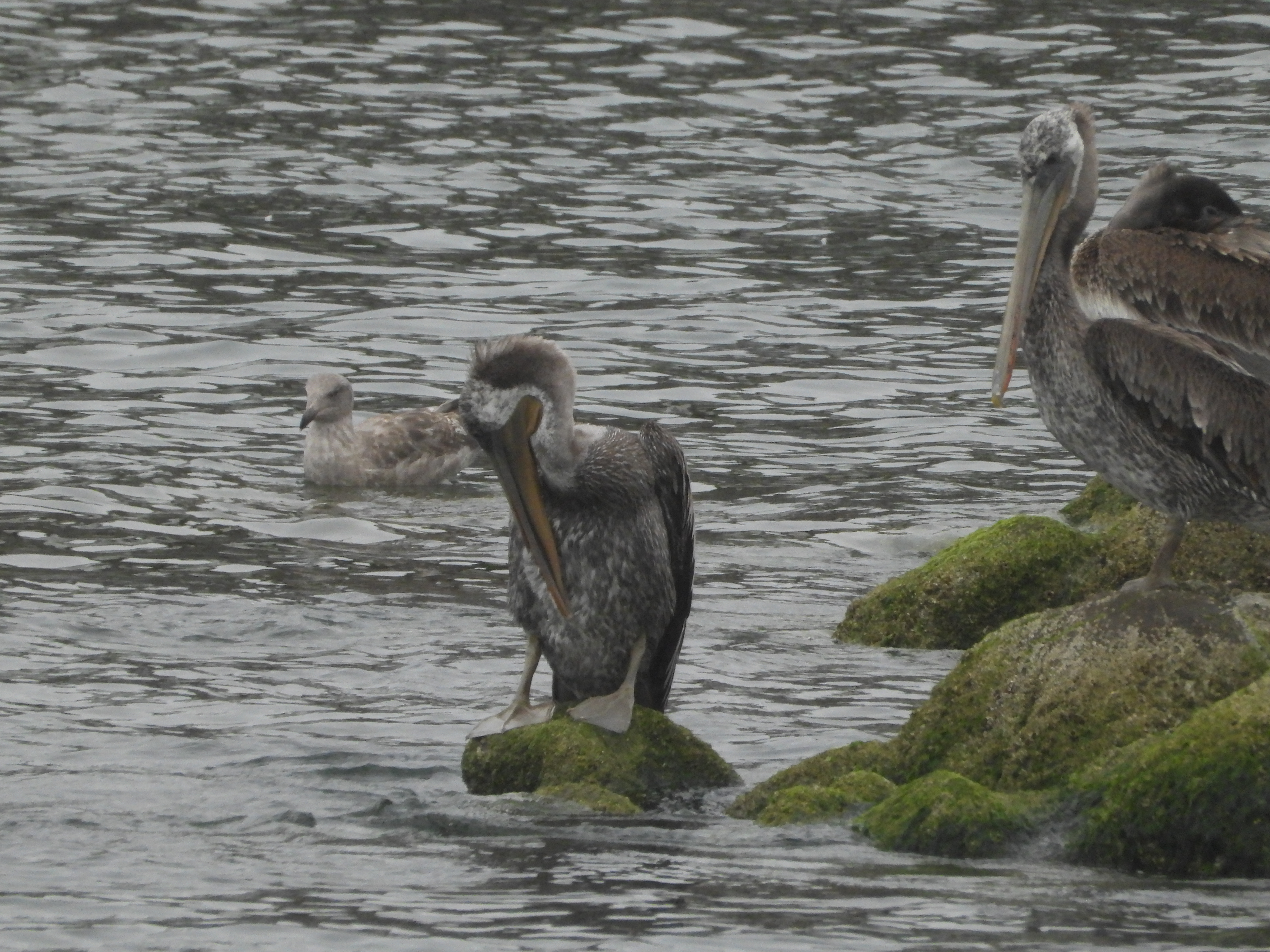
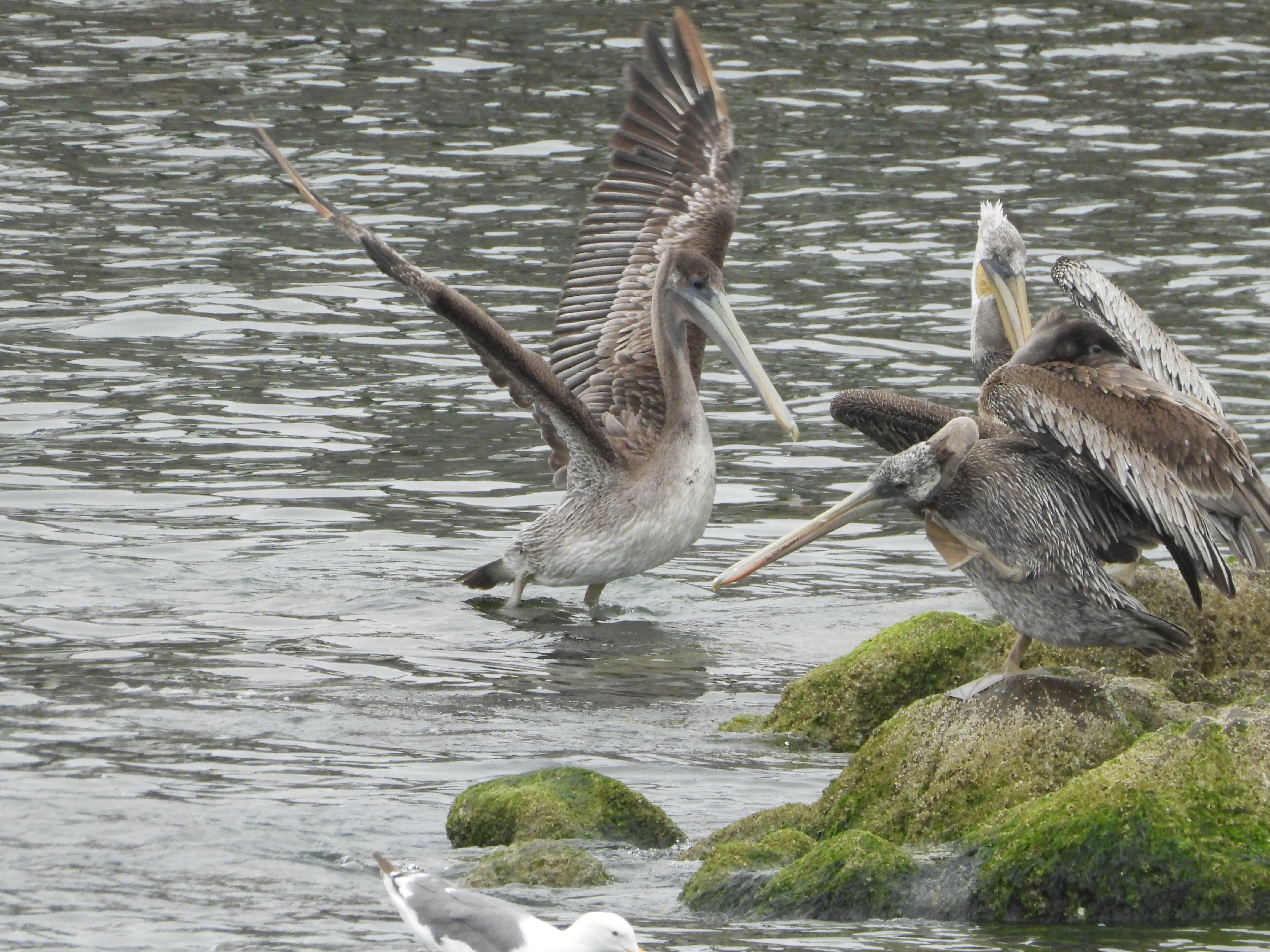
There is a spot near the south Jetty of the Chetco river, where if the tide is low enough and the rocks are exposed. Pelicans love to hang out there. Further down the jetty near the harbor is the area where people crab. They actually are able to crab all up and down the river, but prefer the area near the Coast Guard station. If the wind is up, Danny from Brookings Kites will fly some of his gigantic kites. Today was not the day for his kites.
Here are some photos of the pelicans hanging out. I understand that the pelicans were here to eat the bait fish in the river. I don’t think these pelicans were interested in eating.
Off we went to see if there were any crabbers by the Coast Guard Station. As luck would have it, a family had just started to crab. They set up a fishing pole trap and a round castable crab trap.

I asked if I could hang out and take some pictures. It was also an opportunity to get a quick course on how it is done. The fishing pole trap is one that you have to pay more attention to. Once dropped it opens up on the bottom of the river, exposing the bait. The crabs come in and pick at the chicken leg; they can pick it clean quickly because it just lays on the trap. You pull this up, the trap closes and you are left with a crab in the trap. If it is close to a keeper, you measure it. If it is not a keeper, just open the trap and let the crab fall back in the water. Check out this method in action in these pictures. If you notice, the chicken leg stays in the trap.

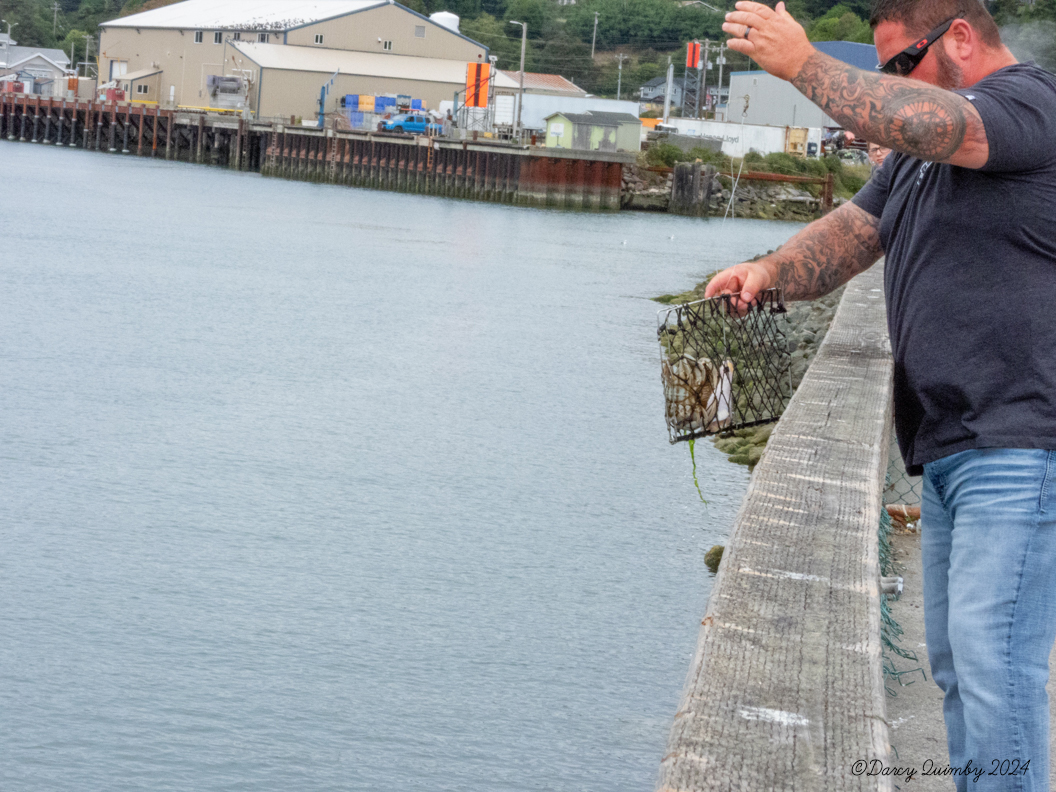

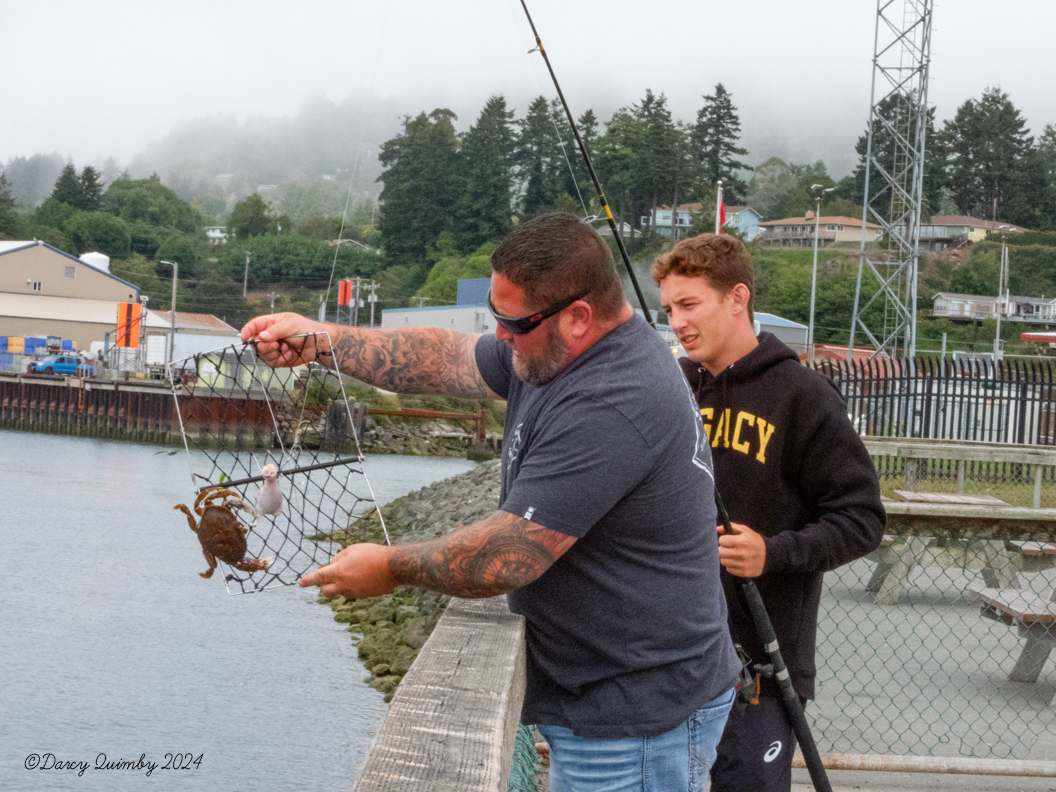

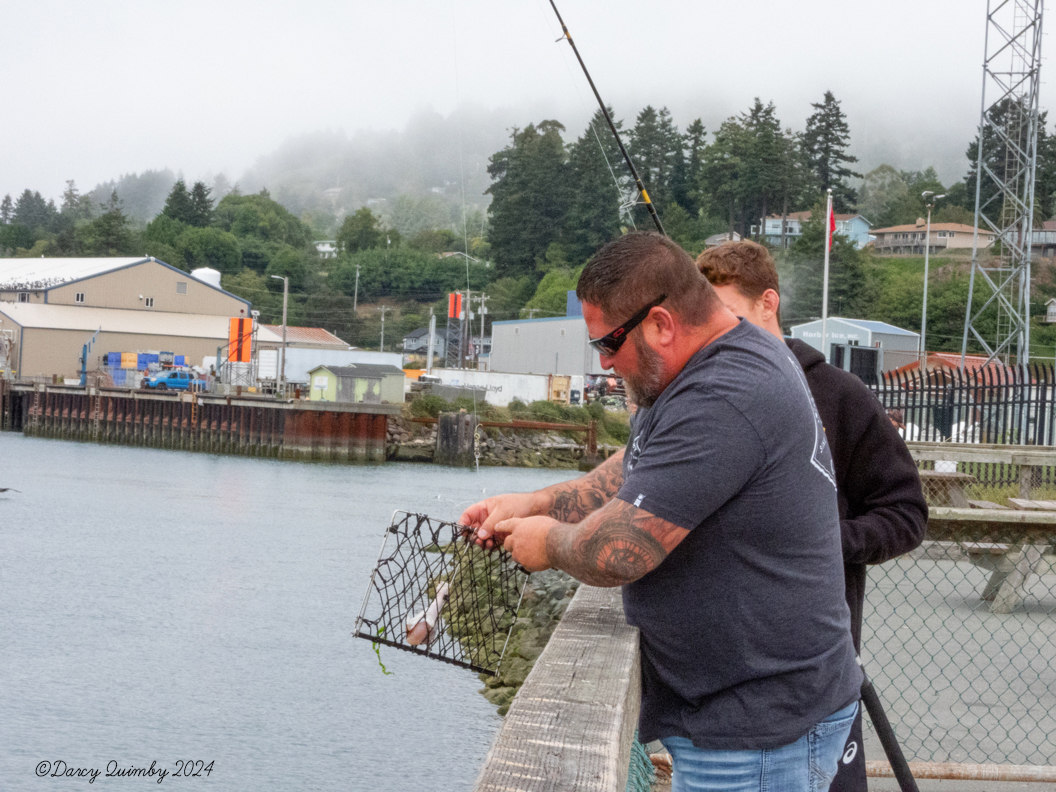

If they do get a keeper or one they have to measure there is an added step or two. They dump the trap on the dock, check to make sure if the crab is the right size which is 5 3/4″ or more.
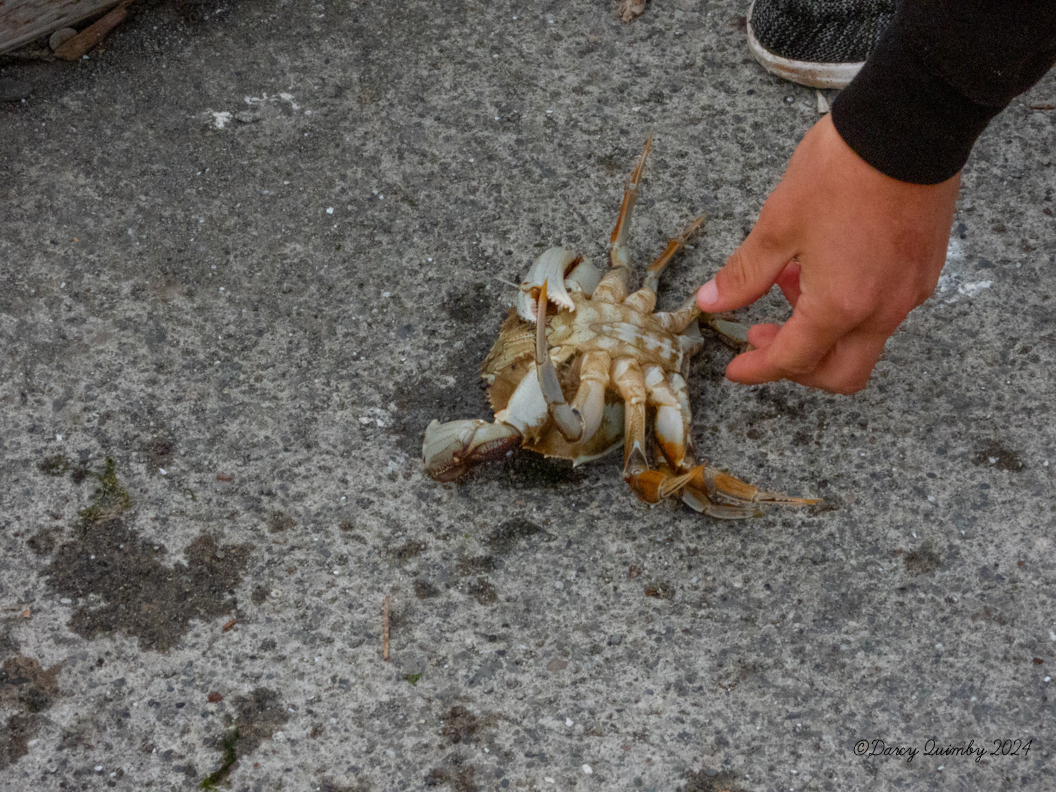
They also make sure it is a male. You have to release the females and the undersized. Follow this link for more information on how to crab in Oregon.
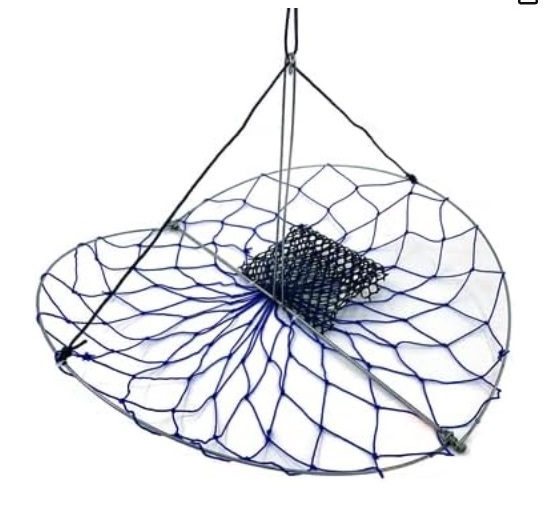
The round castable crab trap needed a good discus thrower. I say this because you want to get it out a bit from the dock area. The chicken leg is encased in a mesh compartment which makes this trap able to stay on the bottom longer to attract more crab. Both traps will fold up when raised off the bottom of the river. Any crabs sitting on the trap get a ride to the surface.
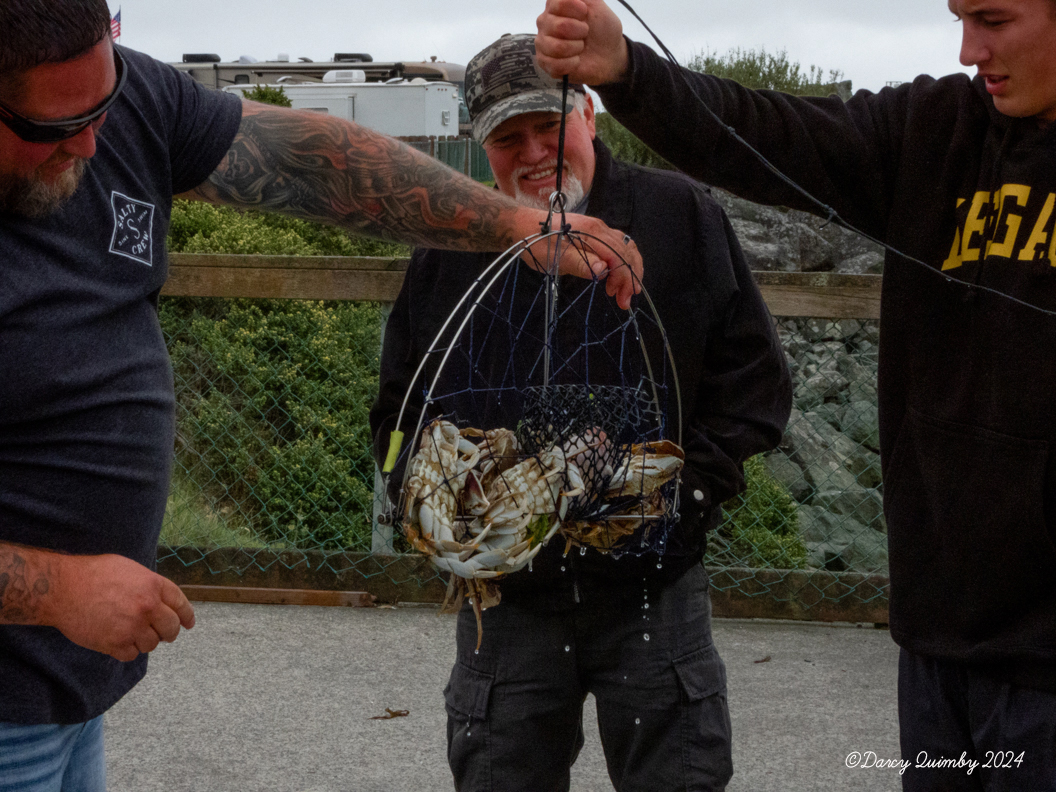

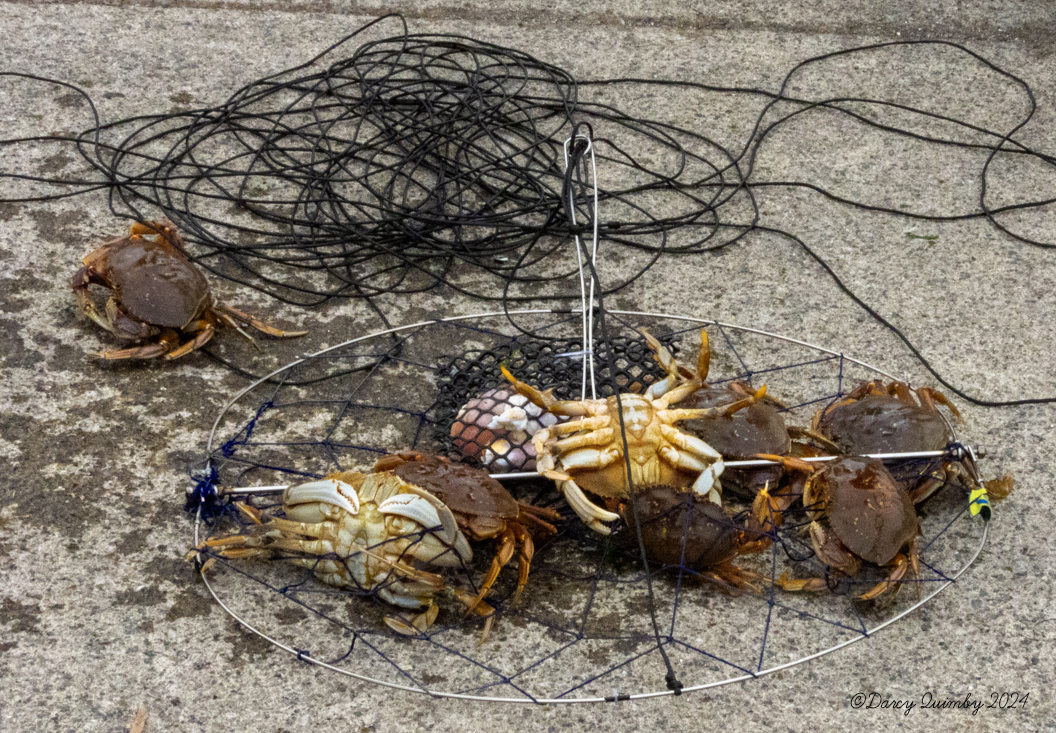
Once the trap is up, the fun begins. Looking at the trap once it is brought up you can kinda tell which ones might be keepers. So, you know what ones to measure once the trap is open. I did two things when the trap was open 1. tried and stay out of the way 2. protected my feet. (images of a crab clamping on to my toe were dancing in my head.)


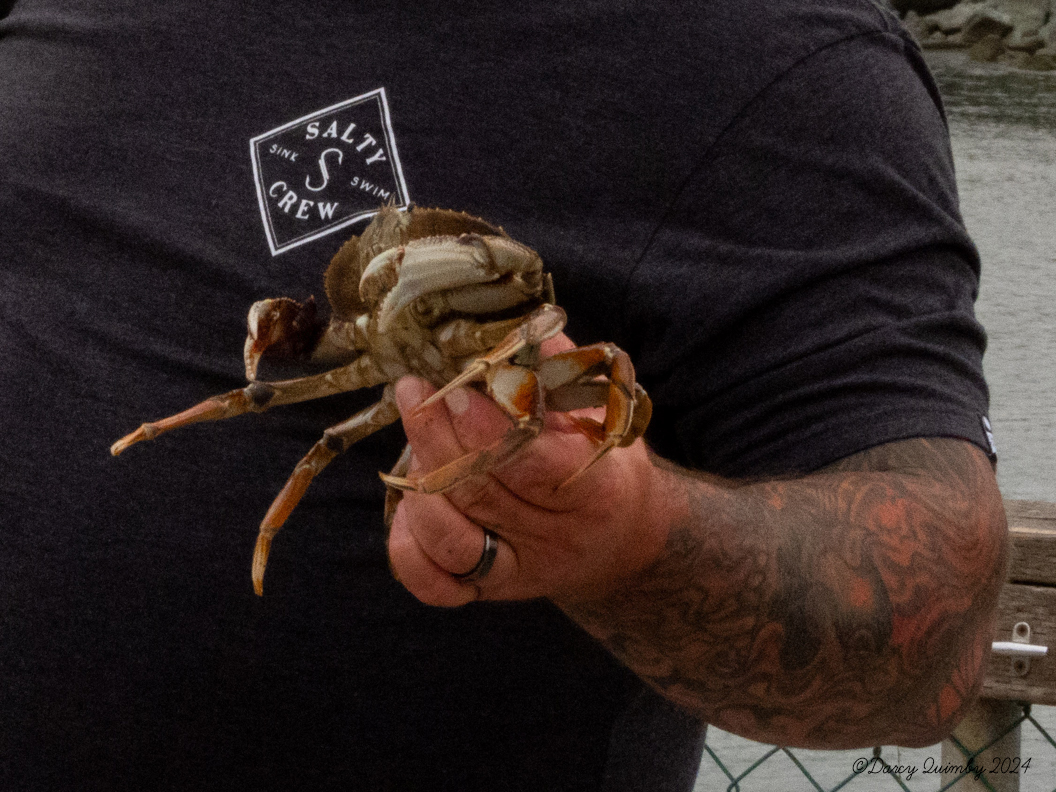
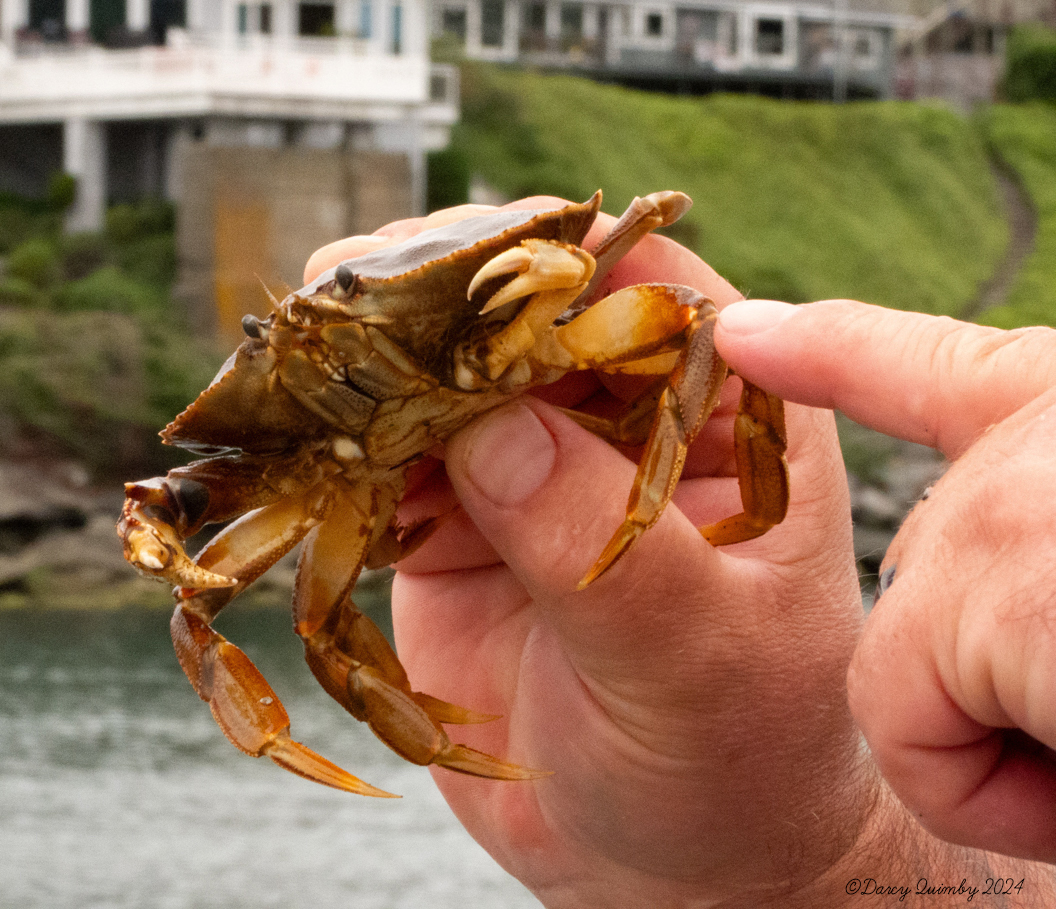
Just a few more interesting tidbits I learned when a crab claw is lost or broken they have the ability to regenerate the limb.
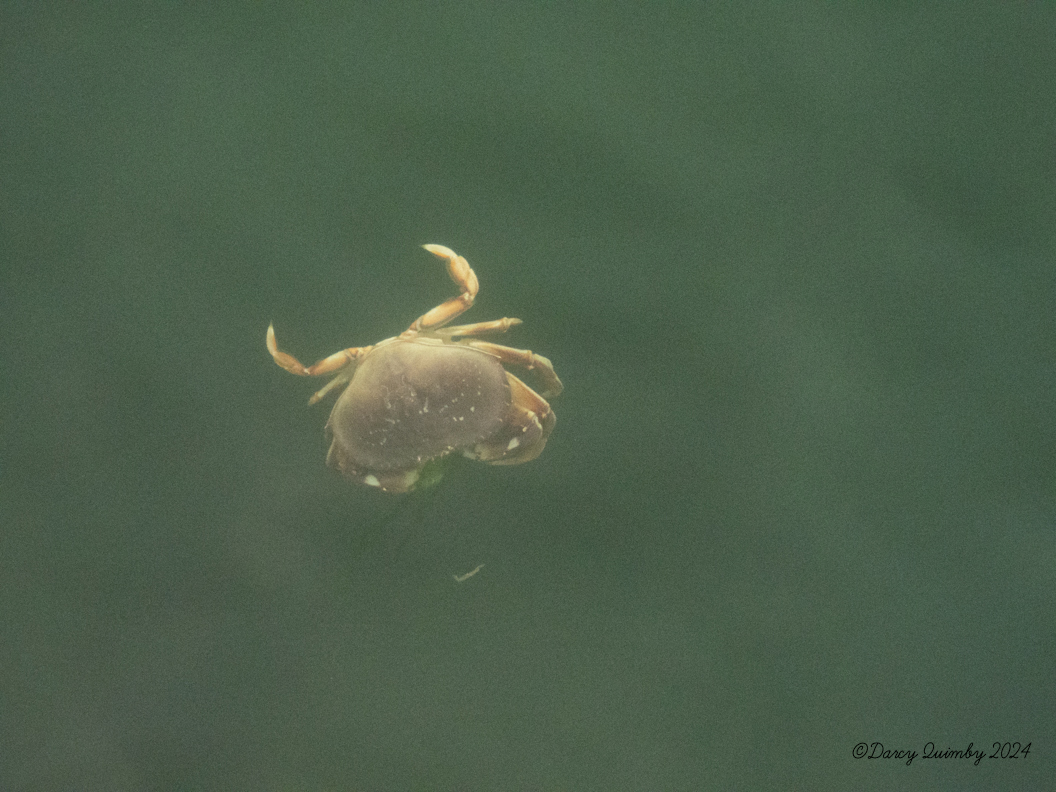
When a crab is dropped back in the water, it sometimes floats and looks large enough to be a keeper.
The fog decided to roll in which meant it was time to head in for us. I sure enjoyed crabbing with this family. When I left they had three keepers.

 On the Road with Buki-6